
Table of Contents
- What Is Corporate Event Logistics for Workshops?
- Creating a Corporate Workshop Planning Checklist
- Venue Selection and Technical Setup for Workshops
- Scaling Interactive Workshops for 100 Guests
- Vendor and Supplier Coordination
- Health and Safety for Corporate Workshops
- Execution and Post-Event Analysis
- Frequently Asked Questions
Last Updated: August 29, 2026
What Is Corporate Event Logistics for Workshops?
Corporate event logistics for workshops encompasses the strategic planning, coordination, and execution of all operational elements required to deliver a seamless, engaging experience for participants. It involves managing timelines, vendor relationships, technical infrastructure, staffing, budgets, and countless moving parts that must align perfectly on the day itself.
At International Chocolate Events, we understand that the difference between a forgettable workshop and one that drives genuine team engagement comes down to meticulous operational planning. Every detail from room temperature to dietary accommodations to technical setup directly impacts whether participants feel valued and whether the event achieves its intended outcomes.
The scope of corporate event logistics spans strategic planning and goal-setting, timeline management, resource allocation, venue assessment, technical infrastructure, vendor coordination, health and safety compliance, and post-event analysis. Each element feeds into the next. A poorly chosen venue cascades into staffing challenges, technical complications, and attendee frustration. Conversely, thoughtful logistics planning creates the conditions for genuine connection and memorable experiences.
The most common logistics mistake is treating the workshop date as the finish line rather than the culmination of weeks of coordinated planning. Teams that build in a two-week buffer before the event for final vendor confirmations, contingency testing, and staff briefings consistently report smoother execution and higher participant satisfaction.
Creating a Corporate Workshop Planning Checklist
A strong planning checklist transforms abstract goals into concrete actions with clear ownership and deadlines.
Strategic Planning and Goal-Setting
Before you schedule a single vendor call or book a venue, define what success actually means for this workshop. Are you building psychological safety among a newly merged team? Teaching a specific skill? Celebrating a milestone? Each goal shapes every subsequent decision about format, duration, group size, and logistics strategy.
Document your primary objective alongside 2-3 secondary outcomes. This clarity prevents scope creep and gives your team a decision-making filter when competing priorities emerge. Identify your key stakeholders and their expectations. HR wants measurable engagement metrics. Finance wants cost control. Participants want an experience that doesn’t feel like work disguised as fun. When you understand these competing interests upfront, you can design logistics that satisfy multiple objectives.
Your workshop’s success metrics should be defined during planning, not after. Measurable outcomes give you something concrete to evaluate and improve for future events.
Timeline Management and Key Milestones
A typical corporate workshop requires 8-12 weeks of lead time for groups of 40+, though smaller workshops can move faster (ama.org). Build your timeline backwards from your target event date, identifying critical milestones that must be completed before the next phase begins.
A realistic milestone structure looks like this:
- Weeks 12-10: Define goals, budget, and participant list. Secure executive approval.
- Weeks 10-8: Identify and book venue. Confirm availability of key vendors (catering, AV, facilitators).
- Weeks 8-6: Finalise participant list. Issue invitations. Begin detailed logistics planning with venue and vendors.
- Weeks 6-4: Confirm dietary requirements, accessibility needs, and special requests. Develop detailed run-of-show and contingency plans.
- Weeks 4-2: Conduct final vendor briefings. Test all technical setup. Brief your internal team.
- Week 2-1: Final confirmations with all parties. Prepare materials and signage. Brief on-site staff.
- Day of event: Execute with flexibility and clear communication protocols.
The most critical milestone is completing your detailed run-of-show, a minute-by-minute outline of the workshop flow. This document becomes your operational bible, clarifying who does what, when, and what happens if something goes wrong.
Venue Selection and Technical Setup for Workshops
Your venue choice constrains or enables almost every other logistics decision. The wrong space can sabotage even brilliant content; the right space amplifies it.
Assessing Space Requirements and Layout
Start with headcount, but don’t stop there. A 60-person workshop needs different space considerations than a 60-person conference presentation. Workshops require room for movement, hands-on activities, small group rotations, and staff circulation. A typical interactive workshop needs 12-15 square metres per person minimum.
Consider traffic flow. Where do participants enter? Can staff move between stations without blocking sight lines? Assess the venue’s flexibility. Can you reconfigure the space for different activities? A venue locked into one configuration limits your options.
Temperature control matters more than expected. Confirm that the venue can maintain comfortable temperatures throughout your session, especially if your workshop involves physical activity or food preparation.
Accessibility is non-negotiable. Confirm parking availability, accessible entrances, lift access to all workshop areas, accessible toilet facilities, and quiet spaces for participants who need breaks. A venue that can’t accommodate these requirements isn’t viable, regardless of other merits.
AV and Technical Infrastructure
Technical failures during a workshop undermine credibility and derail momentum. Assume something will fail and plan accordingly.
Confirm internet bandwidth. If you’re using video content, live polling, or hybrid participation, test the connection speed under load before the event. Ask the venue for specific bandwidth specifications and test it yourself if possible.
Bring backup equipment for critical functions. If you’re relying on projectors or screens, bring a portable projector and HDMI adapters. If you’re using audio, bring a portable speaker system. If you’re streaming or recording, use a dedicated internet connection separate from the main Wi-Fi network.
Arrive early enough to test every technical element: projectors, microphones, audio playback, video playback, lighting controls, and any interactive tools. Run through your entire presentation once, not just spot-check it. For workshops involving interactive technology or hybrid video participation, conduct a full technical rehearsal with your facilitators and technical support staff.
Scaling Interactive Workshops for 100 Guests
Large-scale workshops introduce complexity that smaller events don’t face. More participants mean more logistics variables, more staffing needs, and more opportunities for things to go wrong.
Managing Attendee Experience at Scale
The biggest risk at scale is that participants feel like a crowd rather than individuals. Thoughtful logistics mitigates this. Staggered arrival times prevent chaotic bottlenecks. Clear signage and wayfinding mean participants don’t waste mental energy figuring out where to go. Assigned seating or activity groups creates structure without feeling rigid.
Segment your 100 participants into smaller cohorts for hands-on activities. Running all 100 people through a single activity simultaneously creates chaos. Instead, rotate groups through stations or run parallel sessions. This requires more facilitators and more space, but it dramatically improves experience quality and safety.
Build in buffer time between activities. Transitions at scale take longer than expected. Rushing transitions creates stress that participants carry into the next activity.
Anticipate that some participants will arrive late or leave early. Design your opening and closing segments to be flexible. Don’t deliver critical content in the first or last 15 minutes.
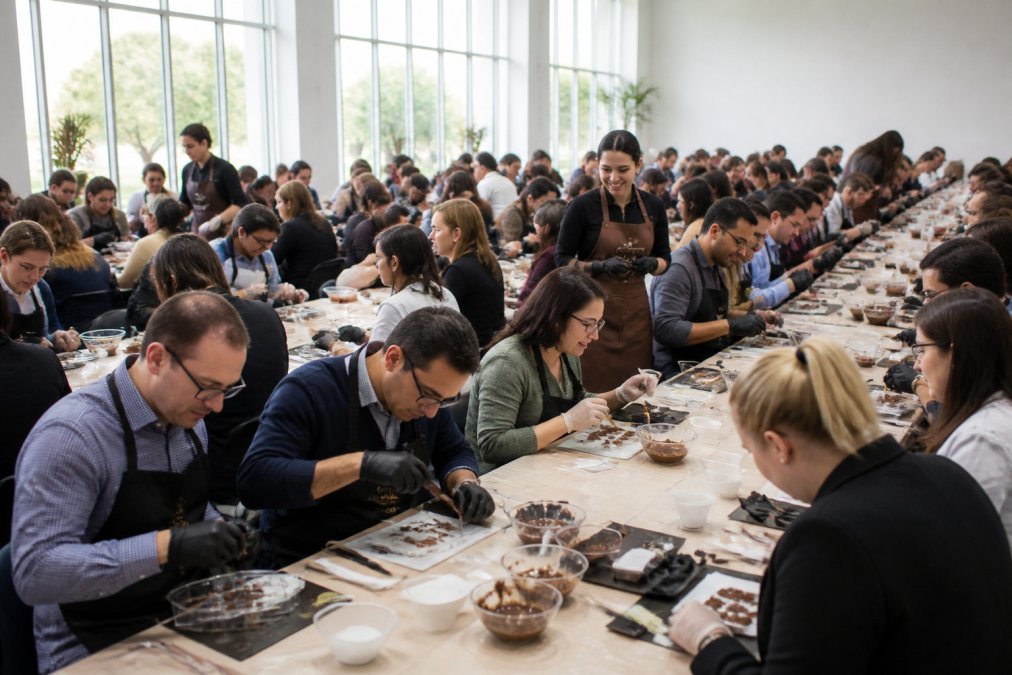
Staffing and Operational Coordination
A 100-person workshop needs:
- Facilitators or activity leaders (1 per 15-20 participants for hands-on activities)
- Logistics coordinators (1-2 managing timelines, transitions, and troubleshooting)
- Technical support (1 managing AV, audio, video, or interactive tools)
- Registration and wayfinding staff (1-2 managing arrival, check-in, and directing participants)
- Catering liaison (1 managing refreshments, dietary accommodations, and timing)
Clarify roles before the event. Who makes decisions if something goes wrong? Who communicates changes to participants? Conduct a full staff briefing 24 hours before the event. Walk through the run-of-show, identify contingencies, and confirm everyone knows their role and who to contact for support.
The most common staffing mistake at large events is assuming facilitators will naturally coordinate with each other. Designate one person as the operational lead with clear authority to make decisions, communicate changes, and manage timing.
Vendor and Supplier Coordination
Your workshop’s quality depends heavily on vendors who may have never worked together before. Create a single coordination document that outlines the full event timeline, identifies each vendor’s responsibilities, specifies handoff points, and clarifies who communicates with whom. Share this document with all vendors at least two weeks before the event.
Schedule individual calls with each vendor to confirm details specific to their function. A 20-minute call catches misunderstandings that email threads miss. Confirm arrival times, setup requirements, technical needs, and contingency protocols.
For food and beverage vendors, confirm dietary requirements and allergies in writing. Provide a detailed list of participants with dietary restrictions, not just a summary count.
For activity facilitators, confirm the exact format, duration, group sizes, and any participant preparation needed. Establish a communication protocol for the day of the event. Provide a single point of contact, usually your logistics coordinator or event lead, with direct contact information for all key vendors.
Health and Safety for Corporate Workshops
Health and safety compliance isn’t just a legal requirement; it’s foundational to participant wellbeing and your organisation’s reputation.
Compliance and Risk Mitigation
Identify the specific health and safety regulations that apply to your workshop. If you’re hosting a food-related activity like chocolate-making, food hygiene standards apply. If participants are travelling, duty of care obligations exist.
Conduct a risk assessment specific to your workshop format. What could go wrong? Allergic reactions to food. Trips or falls. Equipment misuse. Participants with mobility or sensory needs being excluded. For each identified risk, develop a mitigation strategy.
Document your risk assessment and mitigation plans. Confirm that your venue has appropriate insurance coverage and that your activity provider carries liability insurance that covers the number of participants and the specific activities planned.
Dietary Requirements and Accessibility
Request dietary and accessibility information during the registration process, not the week before the event (the CDC). Give participants at least four weeks’ notice so they have time to respond and you have time to arrange accommodations.
For dietary requirements, go beyond “vegetarian” or “vegan.” Ask about allergies, intolerances, religious dietary restrictions, and personal preferences. Confirm that your catering vendor can accommodate the full scope of requirements.
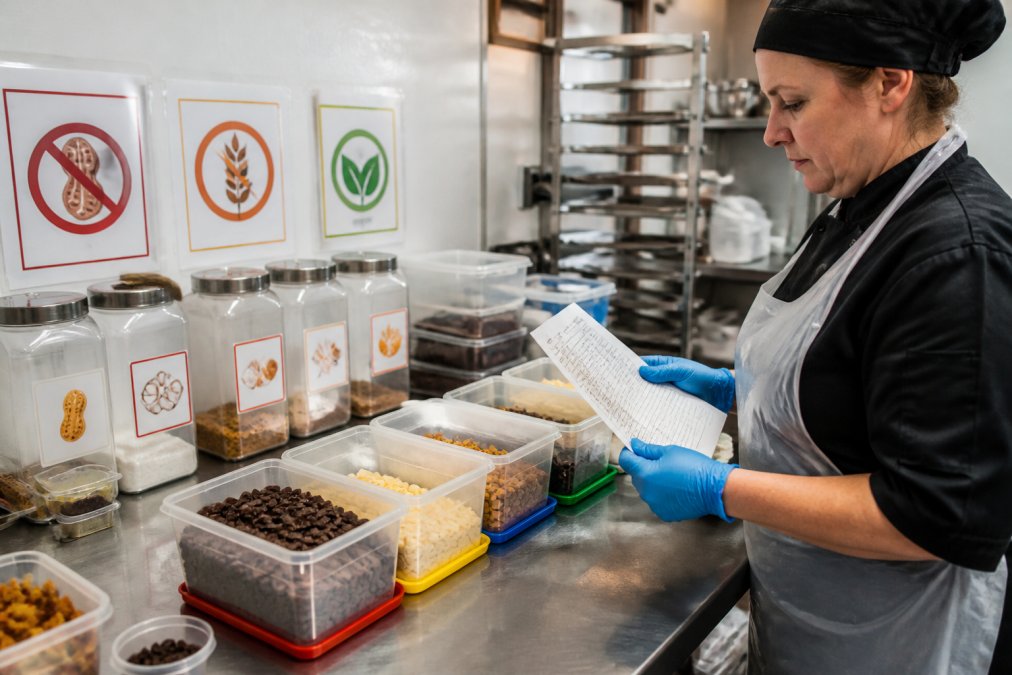
For accessibility, ask about mobility needs, visual or hearing impairments, neurodivergence, and any other accommodations that would improve participation. Confirm that your venue and activity provider can deliver these accommodations. Communicate clearly with participants about the physical demands of the workshop and offer modifications or alternatives for those who can’t fully participate in the planned format.
Execution and Post-Event Analysis
The best-planned workshop still requires attentive execution. Your team’s flexibility and communication during the event determines whether minor issues become major problems.
Arrive at the venue early enough to complete setup with buffer time for unexpected issues. Confirm that all equipment is functioning and signage is in place. Assign one person as the day-of operational lead with authority to make decisions and manage vendor coordination.
During the workshop, monitor participant engagement and comfort. Are people finding the activities engaging? Are there bottlenecks or confusion? Your team’s ability to notice and respond to these signals in real time makes the difference between a good event and a great one.
After the event, collect feedback while it’s fresh. Use surveys, informal conversations, or focus groups to understand what worked, what didn’t, and what participants would change. Gather feedback from your team as well.
Document what you learned. What would you do differently next time? Which vendors performed well? Which logistics decisions paid off? This documentation becomes invaluable when planning your next corporate workshop.
Post-event analysis isn’t just about identifying problems; it’s about recognising what worked so you can replicate it. Teams that systematically capture and act on feedback see measurable improvements in their second and third events.
Corporate event logistics for workshops demands attention to detail across dozens of interconnected variables. The difference between a workshop that feels rushed and impersonal versus one that genuinely engages participants often comes down to how thoroughly you’ve thought through the operational choreography.
International Chocolate Events specialises in delivering scalable, hands-on chocolate-making workshops that work beautifully at any group size, from intimate team-building sessions to large off-sites with 100+ participants. Our master chocolatier brings over a decade of experience designing activities that create genuine connection while managing the complex logistics that large groups require. Whether you’re planning your first corporate workshop or your tenth, connecting with experienced event facilitators who understand both the creative vision and the operational realities makes a measurable difference. Make an enquiry with International Chocolate Events to explore how we can bring your workshop vision to life with the logistics expertise and interactive engagement your team deserves.
Frequently Asked Questions
Q: What are the key operational challenges in corporate workshop planning?
A: The main challenges include scaling the attendee experience without compromising quality, coordinating multiple vendors across different timelines, managing diverse dietary and accessibility requirements, and ensuring consistent event delivery across varying venue constraints. For interactive workshops specifically, maintaining engagement and hands-on participation becomes harder as group size increases, requiring careful staffing ratios and space planning. Clear contingency planning addresses unexpected issues like equipment failure or last-minute participant changes.
Q: How do you manage logistics for a workshop with over 100 guests?
A: Managing 100+ guests requires segmenting into smaller breakout groups, staggering activity sessions, and deploying adequate staff at each station. Assign clear roles: registration coordinators, activity facilitators, and onsite managers. Pre-event communication about timing, location, and expectations reduces confusion. Use digital check-in systems to streamline arrivals. Plan for contingencies like overflow seating or backup activity spaces. Coordinate catering in phases rather than all at once to avoid bottlenecks. Regular communication with all stakeholders, vendors, staff, and attendees, keeps everything aligned.
Q: What should a corporate workshop planning checklist include?
A: A comprehensive checklist covers: event goals and attendee count, venue sourcing and layout approval, vendor contracts and confirmations, budget tracking and payment schedules, timeline with key milestones (8-12 weeks prior to 1 week before), catering and dietary requirements, AV and technical requirements, staffing and role assignments, health and safety compliance checks, contingency plans, attendee communications, and post-event feedback collection. Breaking this into phases, planning, coordination, execution, and analysis, keeps you organised and ensures nothing is overlooked.
Q: How do you ensure health and safety compliance for interactive corporate events?
A: Start by collecting attendee information upfront, including allergies, dietary restrictions, and accessibility needs. Verify your venue meets relevant fire safety and accessibility standards. Ensure all materials used in activities (like chocolate-making) are clearly labelled for allergens. Train staff on emergency procedures, first aid, and how to respond to dietary issues. Have clear signage for exits, emergency contacts, and any hazard areas. Document all safety measures and maintain incident logs. Check with your venue and activity provider about insurance coverage and liability. Regular pre-event safety briefings with your team prevent oversights on the day.